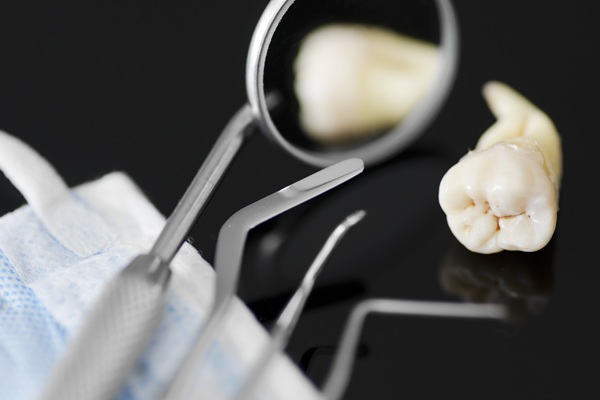
How a Wisdom Tooth Extraction Is Done
is often necessary in order to promote good oral health. The procedure can be daunting to some; however, the result is a healthier oral cavity, thus ensuring better overall health.
Because wisdom tooth extraction is an involved procedure, it can be helpful to know what to expect beforehand. This allows for the opportunity to prepare appropriately, ask questions, and go over concerns.
The steps of a wisdom tooth extraction
Outlined below are the steps of a wisdom tooth extraction. Keep reading to find out more!
1. Anesthesia
Before a wisdom tooth extraction is performed, the dentist will apply anesthesia. Anesthesia is needed in order to promote numbing, reduce the ability to feel discomfort, and ease anxiety regarding the procedure. Anesthesia may be administered intravenously or via injection, depending on the severity of the extraction.
2. The removal
After anesthesia is applied, the dentist will remove any area of bone that may be blocking access to the wisdom tooth. For example, if the tooth is impacted in the jaw or behind other teeth, certain areas of hard tissue may have to be removed.
Once the wisdom tooth is accessible, the dentist will use a dental drill to divide it into sections. Dividing the wisdom tooth into sections allows for easier removal. Once divided, a tool called an extraction forceps is used to actually extract the tooth.
3. Disinfecting
After the tooth is removed, the area has to be cleaned out. Similar to a filling or crown, when the damaged parts are removed, the empty space in the tooth must be cleaned out. The same goes for wisdom tooth extraction. When the tooth is taken out, there is an empty space that will have to heal. In order to ensure proper healing, the area has to be disinfected so that bacteria do not grow and spread.
Disinfecting involves cleaning out the empty space with a water stream and gentle disinfectant solution. This part of the procedure does not take long at all; however, it is one of the most important steps.
4. Closing
The last part of a wisdom tooth extraction is closing, which involves stitching the open wound shut to prevent debris from entering. In some scenarios, the wound may be small enough that stitches are not necessary; however, that is rare. After stitches are placed, the dentist will place oral gauze to control bleeding and promote clotting. Gauze is often necessary even after the patient returns home, as bleeding usually lasts for a few hours. It is advised to change the gauze every hour or so to ensure cleanliness.
Prepare for a wisdom tooth extraction
When looking for more information on wisdom tooth extraction, it is best to consult directly with a dentist. The dentist can outline any patient-specific steps, which may differ slightly from those listed above. Additionally, preparation tips can be provided, which can quite helpful to review and consider beforehand. To find out more, reach out today!
Request an appointment here: https://dentistlosgatos.com or call Vasona Park Dental at (408) 335-4228 for an appointment in our Los Gatos office.
Check out what others are saying about our dental services on Yelp: .
Related Posts
Dental veneers can brighten discolored teeth, but their cosmetic benefits extend far beyond improving shade alone. These thin shells can reshape teeth, conceal minor damage, close small gaps, and create a more balanced smile. A cosmetic dentist can customize each veneer according to the patient’s facial features, tooth proportions, and overall treatment goals. Understanding the…
A smile makeover can help teenagers feel more confident when cosmetic imperfections affect the way they smile. The teenage years are hard enough, bringing school photos, sports, social events, and milestones that make smile confidence feel particularly important. With an age-appropriate treatment plan, cosmetic improvements can look natural and protect the developing smile.Teenagers naturally become…
Gaps in a smile can make everyday tasks like eating or talking uncomfortable. Fortunately, dental bridges remain a reliable dental restoration to replace missing teeth and restore your everyday chewing function. This guide provides the information you need about the four types of dental bridges and helps you choose the right option for your unique…
A dental implant is a dependable way to replace a missing tooth. While some implants may loosen or fail under certain conditions, most implants work well for many years when the gums and bone remain healthy. The key is to recognize the warning signs of trouble early and to support this smile restoration with excellent…