7 Signs You May Need Dentures and What to Do Next
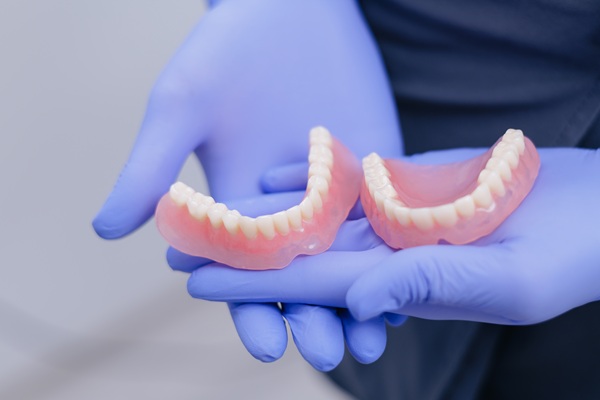
Dentures provide a dependable solution for replacing missing teeth, restoring oral function, and improving the appearance when natural teeth no longer support long-term oral health. While many people associate dentures with complete tooth loss, a dentist may recommend them in several situations before all the teeth are gone. Recognizing the warning signs early helps preserve comfort, confidence, and overall oral health as the dentist builds a treatment plan.
1. Frequent tooth loss
Losing one tooth does not always mean dentures become necessary. However, repeated tooth loss often signals a larger issue affecting oral health. Advanced gum disease, severe decay, or dental injuries may gradually reduce the number of healthy teeth available to support normal chewing and speaking.
A dentist carefully evaluates the remaining teeth, jawbone, and gum health before recommending treatment. If several teeth no longer function properly, dentures may provide a practical way to restore a complete, balanced smile.
2. Teeth that no longer function together
Healthy teeth work together during chewing, speaking, and biting. When several teeth become loose, broken, or severely worn, everyday activities may become difficult or uncomfortable. Uneven pressure also places additional stress on the remaining healthy teeth.
A comprehensive examination helps determine whether individual restorations remain appropriate or whether replacing multiple teeth creates a stronger long-term solution. Dentures often improve bite balance while reducing unnecessary strain throughout the mouth.
3. Advanced gum disease
Periodontal disease remains one of the leading causes of adult tooth loss. As the disease progresses, gums pull away from the teeth, bone support decreases, and teeth may loosen significantly. Even when treatment controls the infection, extensive damage may limit the ability to preserve every tooth.
A dentist always focuses on saving natural teeth whenever possible. When extensive periodontal damage prevents predictable long-term success, dentures may provide greater comfort and improved oral function after appropriate treatment.
4. Ongoing pain from severely damaged teeth
Teeth with extensive decay, fractures, or recurrent infections may continue to cause discomfort despite multiple restorative procedures. When several teeth experience similar problems, continuing to repair each one individually may no longer be the most effective solution.
Instead, a dentist evaluates the overall condition of the mouth and discusses treatment options that promote lasting oral health. Replacing multiple non-restorable teeth with dentures may eliminate chronic discomfort while improving everyday function.
5. Difficulty eating favorite foods
Chewing should feel comfortable and efficient. Missing teeth or unstable teeth often make it difficult to enjoy nutritious foods such as fruits, vegetables, lean meats, and whole grains. Over time, dietary choices may become limited because certain foods require more bite strength than the remaining teeth can provide.
Signs that chewing function may require professional evaluation include:
- Avoiding hard or chewy foods because they cause discomfort
- Favoring one side of the mouth while eating
- Taking much longer to finish meals
- Experiencing soreness after normal chewing
Improving chewing ability supports both oral health and overall wellness, making early evaluation an important step.
6. Changes in facial appearance
Natural teeth help support facial muscles and maintain normal facial proportions. When multiple teeth become missing, cheeks may appear sunken, lips may lose support, and the lower portion of the face may appear shorter than before. These gradual changes often affect both appearance and confidence.
Modern dentures restore more than teeth alone. Properly designed appliances help support facial structure while creating a natural-looking smile that complements each patient’s unique features.
7. Loose or failing dental restorations
Dental crowns, bridges, fillings, and other restorations protect damaged teeth for many years. However, when numerous restorations begin to fail due to widespread decay, fractures, or weakened tooth structure, replacing each restoration individually may no longer be the most predictable approach.
A dentist reviews the health of every remaining tooth before recommending treatment. In some cases, transitioning to dentures can provide a healthier, more stable foundation for long-term oral function.
What to do next
Recognizing these warning signs does not automatically mean dentures represent the only treatment option. Every patient has different oral health needs, and many situations benefit from conservative care, dental implants, bridges, or other restorative procedures. A complete examination allows a dentist to identify the cause of tooth loss or damage before developing a personalized treatment plan.
Early evaluation often creates more opportunities to preserve healthy tissues and simplify future treatment. Diagnostic imaging, bite analysis, and a thorough oral examination help determine the most appropriate solution based on comfort, function, appearance, and long-term oral health goals.
Schedule an appointment today
Ignoring progressive tooth loss or declining oral function often allows small problems to become more complex. Prompt evaluation helps identify the underlying cause and supports timely treatment that restores comfort, confidence, and everyday function. Whether treatment involves preserving natural teeth or recommending dentures, a personalized plan helps achieve lasting oral health. Call our office for more information or to schedule a denture evaluation.
Request an appointment here: https://dentistlosgatos.com or call Vasona Park Dental at (408) 335-4228 for an appointment in our Los Gatos office.
Check out what others are saying about our dental services on Yelp: Dentures and Partial Dentures in Los Gatos, CA.
Related Posts
Implant-supported dentures provide a stable, functional, and natural-looking option for individuals seeking an advanced tooth-replacement solution. These restorations rely on dental implants for support, offering improved comfort and performance compared to traditional removable dentures. The following guide will walk you through implant-supported dentures and what you can expect through the treatment process.Implant-supported dentures are prosthetic…
Dental veneers can brighten discolored teeth, but their cosmetic benefits extend far beyond improving shade alone. These thin shells can reshape teeth, conceal minor damage, close small gaps, and create a more balanced smile. A cosmetic dentist can customize each veneer according to the patient’s facial features, tooth proportions, and overall treatment goals. Understanding the…
A smile makeover can help teenagers feel more confident when cosmetic imperfections affect the way they smile. The teenage years are hard enough, bringing school photos, sports, social events, and milestones that make smile confidence feel particularly important. With an age-appropriate treatment plan, cosmetic improvements can look natural and protect the developing smile.Teenagers naturally become…
Gaps in a smile can make everyday tasks like eating or talking uncomfortable. Fortunately, dental bridges remain a reliable dental restoration to replace missing teeth and restore your everyday chewing function. This guide provides the information you need about the four types of dental bridges and helps you choose the right option for your unique…